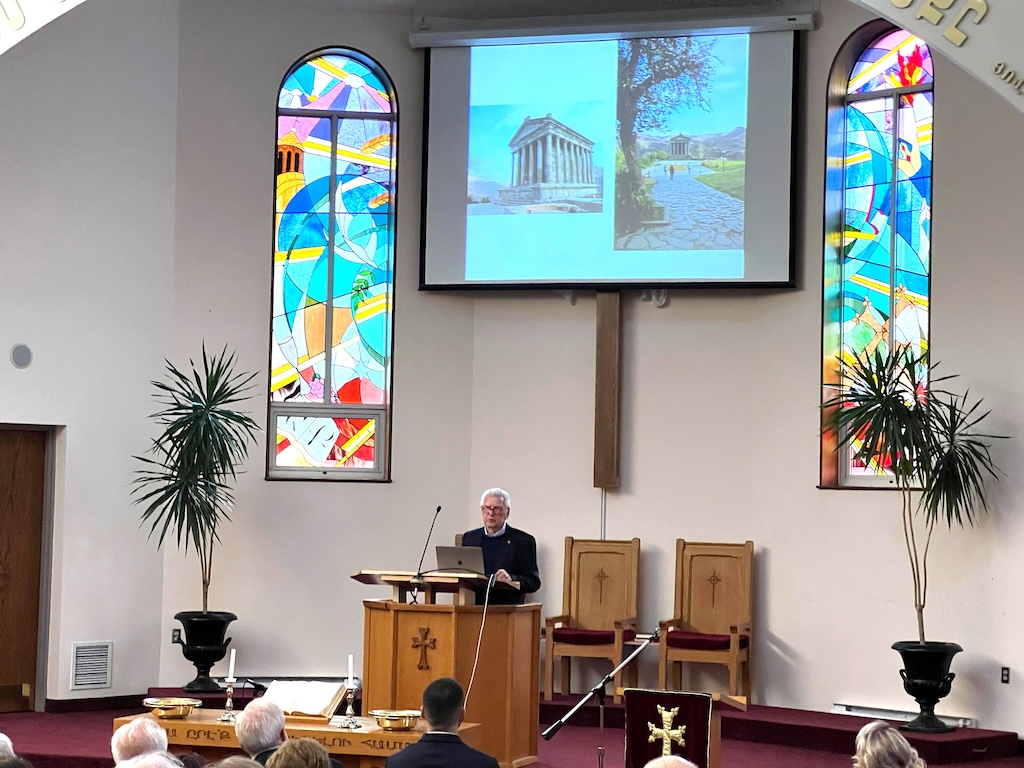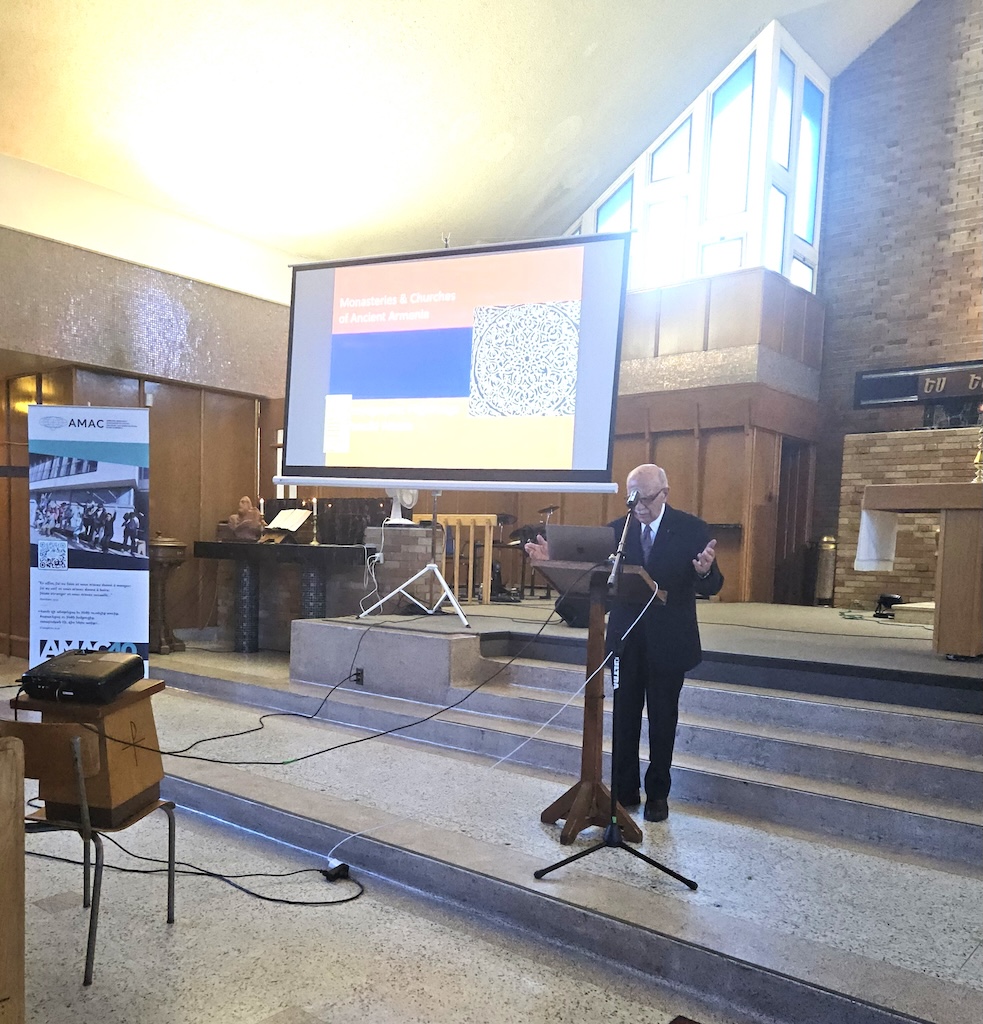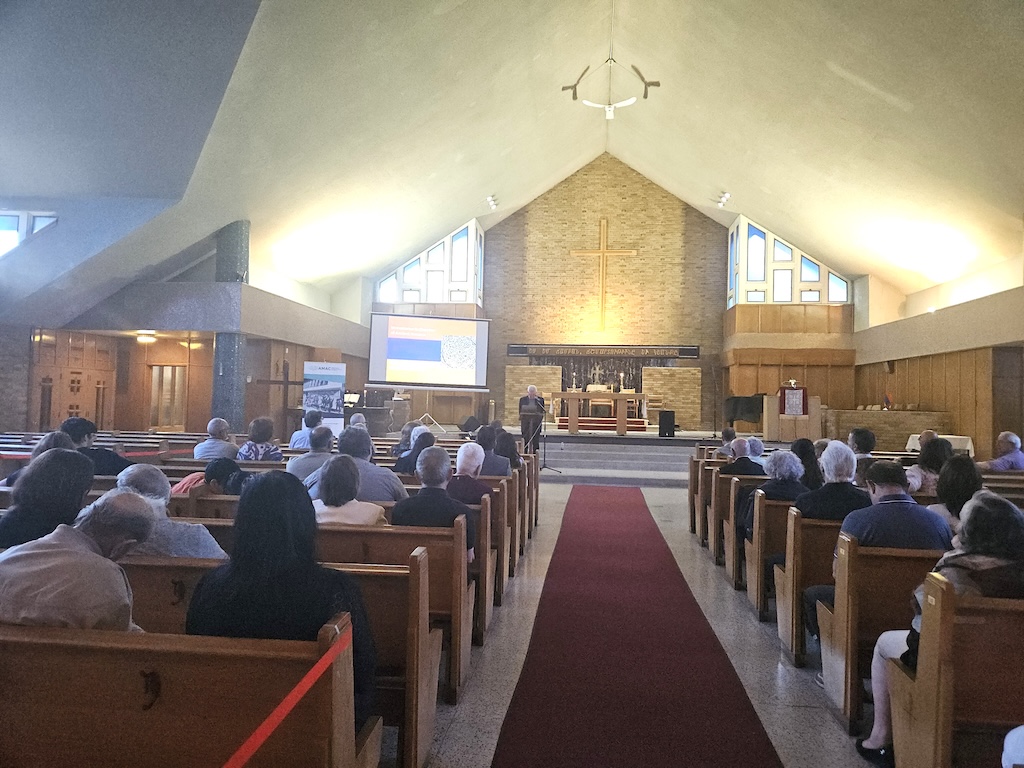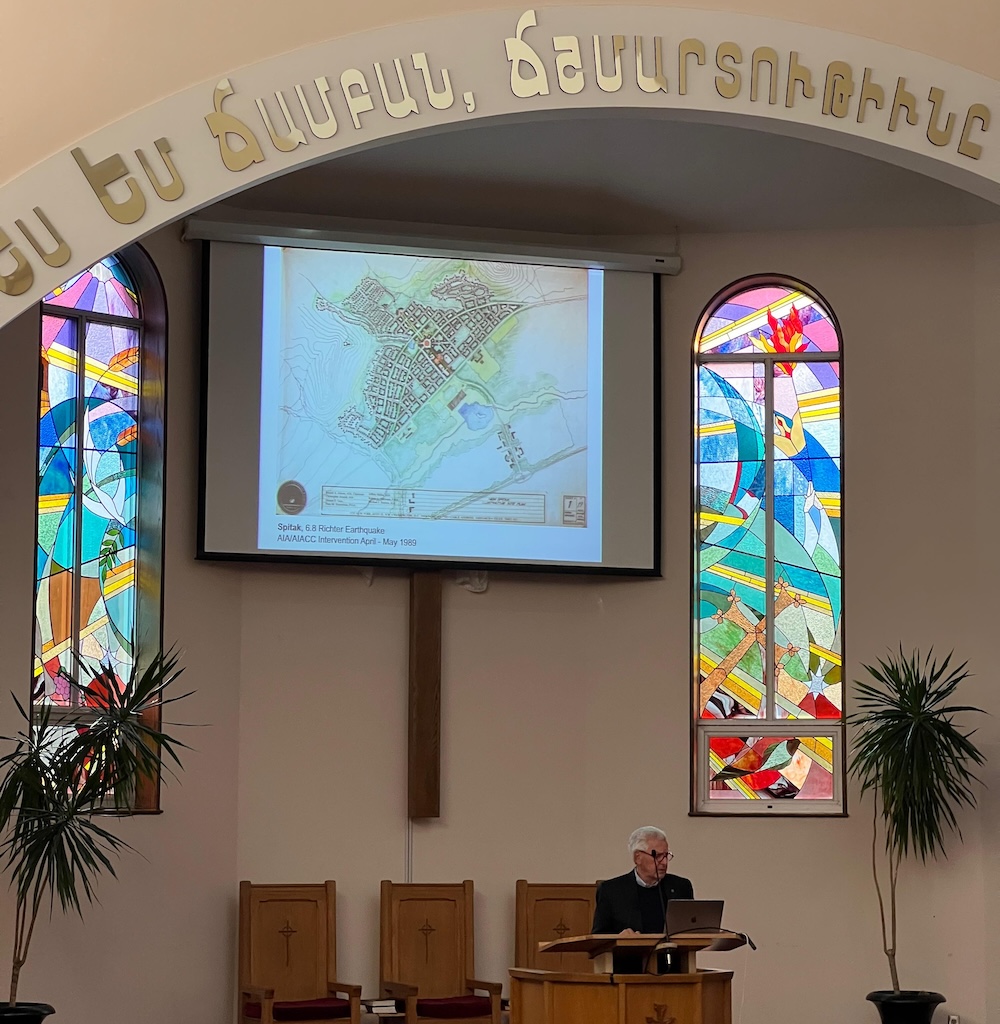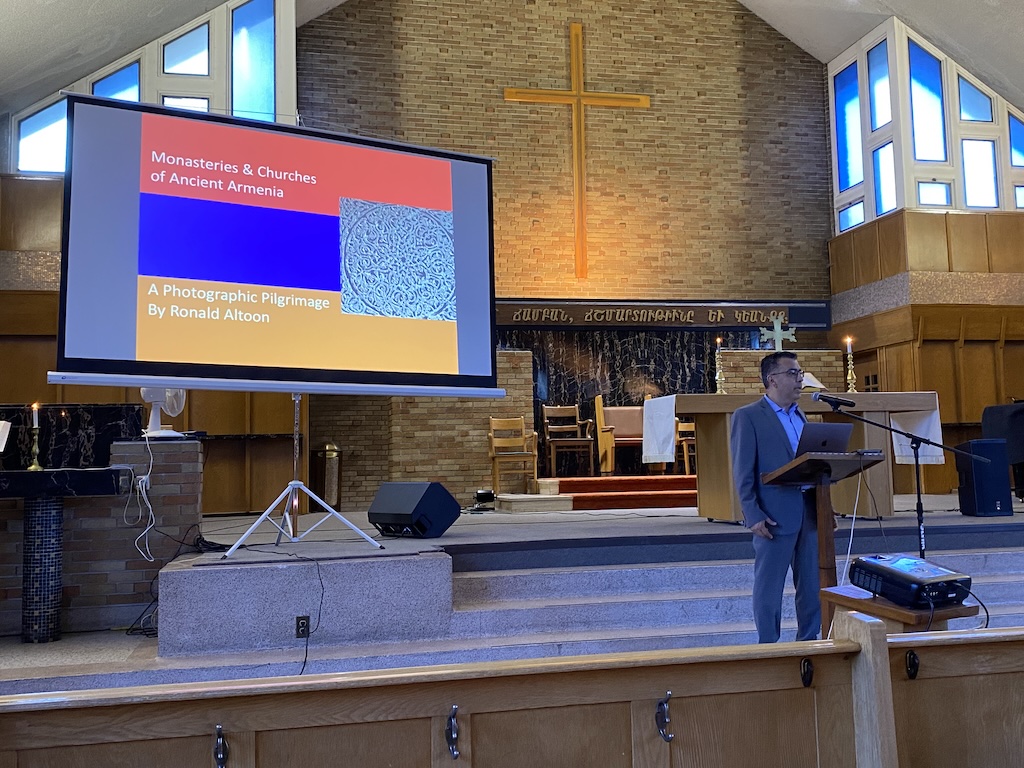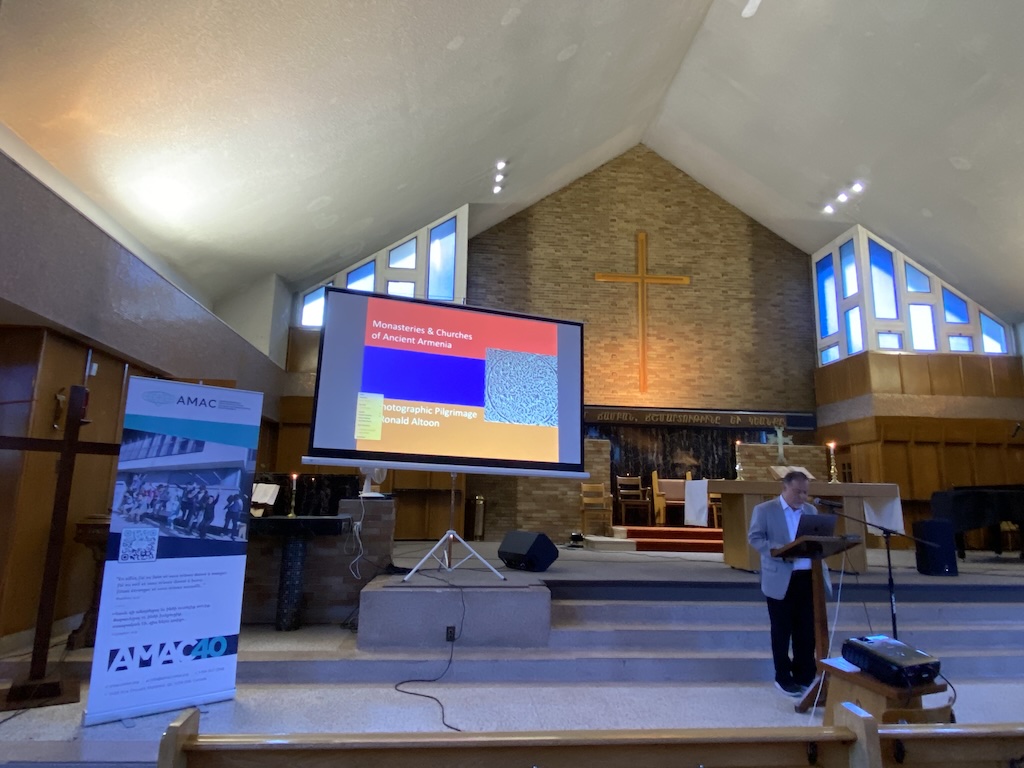
As Armenians, we take great pride in being the first nation to adopt Christianity as a state religion. That pride was deepened recently through the inspiring presentations of Mr. Ronald Arthur Altoon, FAIA, LEED AP—an internationally recognized Armenian-American architect—who captivated audiences in Montreal and Toronto. Through a stunning photographic pilgrimage, Mr. Altoon showcased the architectural and engineering brilliance of Armenia’s ancient churches and monasteries, demonstrating how these structures helped shape the foundation of global church architecture.
The Armenian Missionary Association of Canada (AMAC) was honored to host Mr. Altoon in Toronto and Montreal. A former National President of the American Institute of Architects (AIA) and author of seven books, Mr. Altoon led attendees on a visual journey through 41 ancient Armenian monasteries, dating as far back as the 5th century. Many of these sacred sites predate Europe’s most iconic cathedrals, revealing a rich heritage of spiritual and architectural innovation.
Through images and narrative, Mr. Altoon illustrated the monumental challenges that Armenian builders overcame—constructing awe-inspiring sanctuaries in remote and often mountainous regions. His lecture highlighted the remarkable engineering feats involved, as well as the spiritual vision that guided these sacred works.
Toronto Event
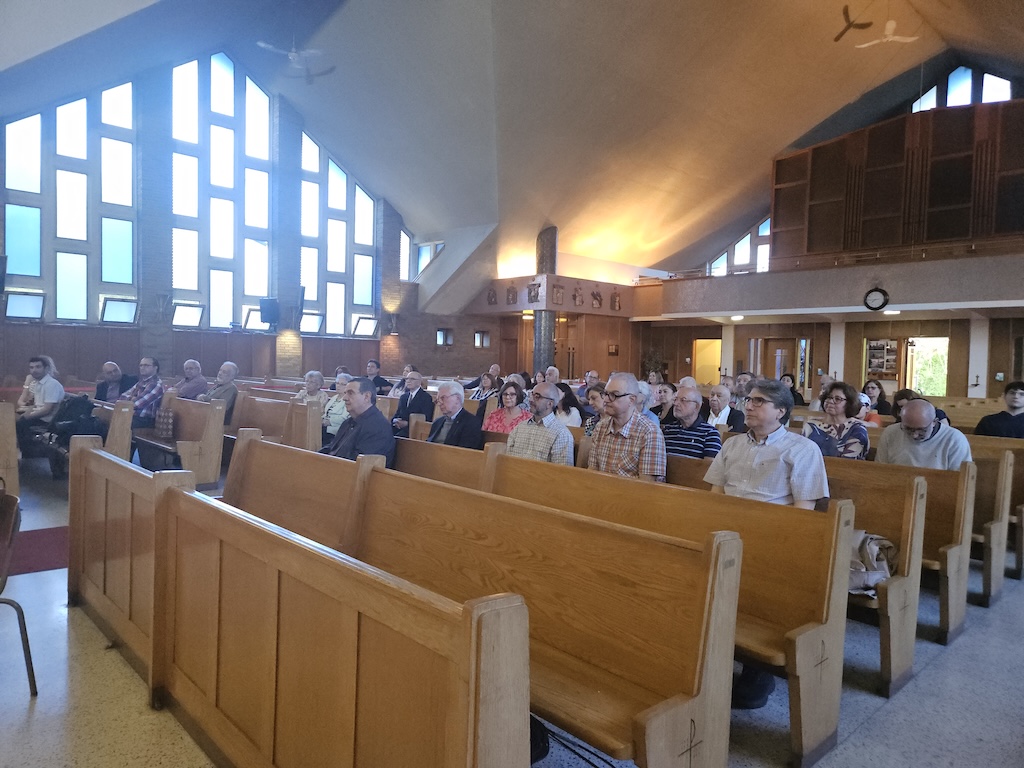
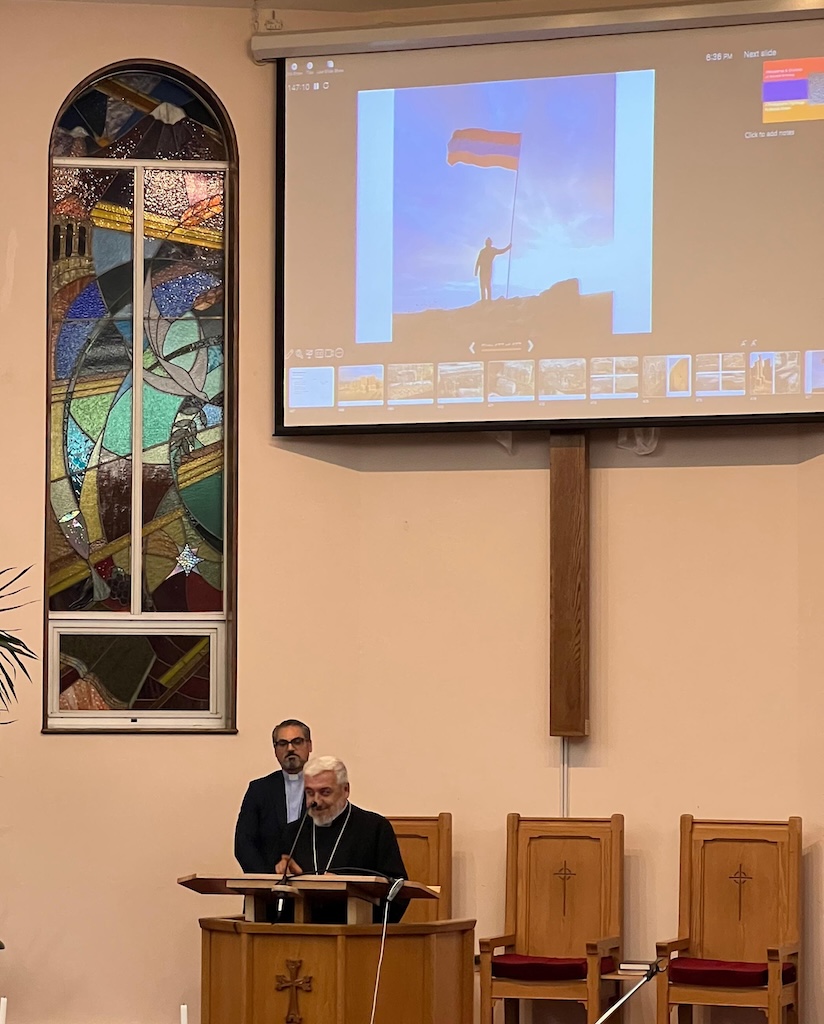
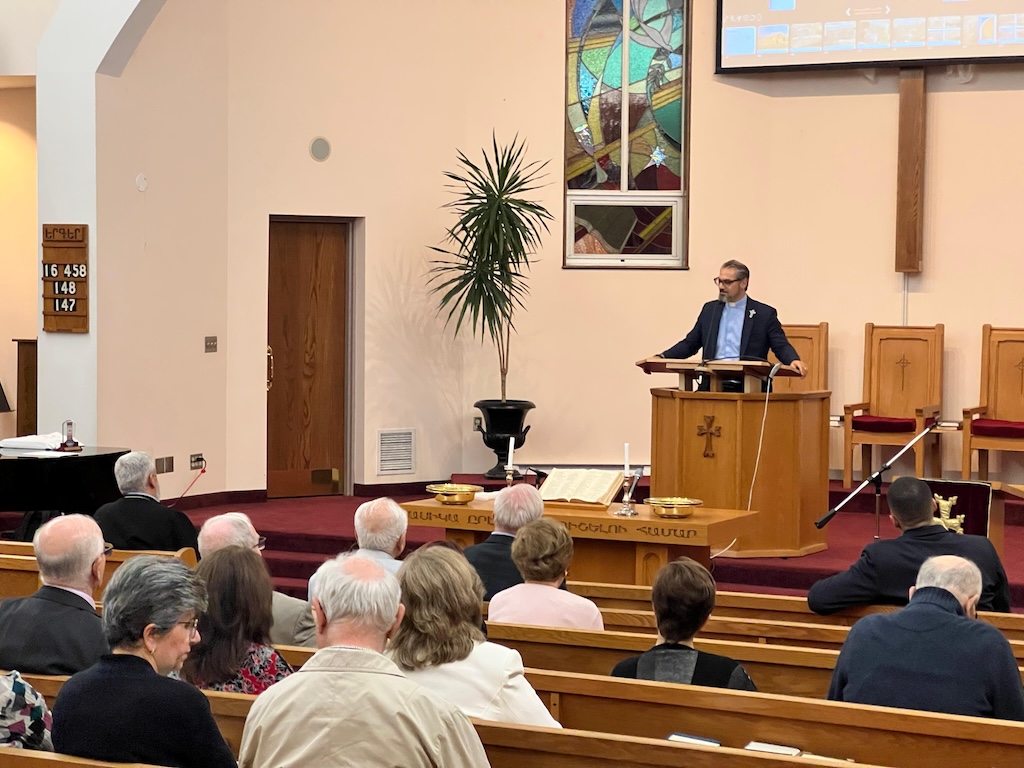
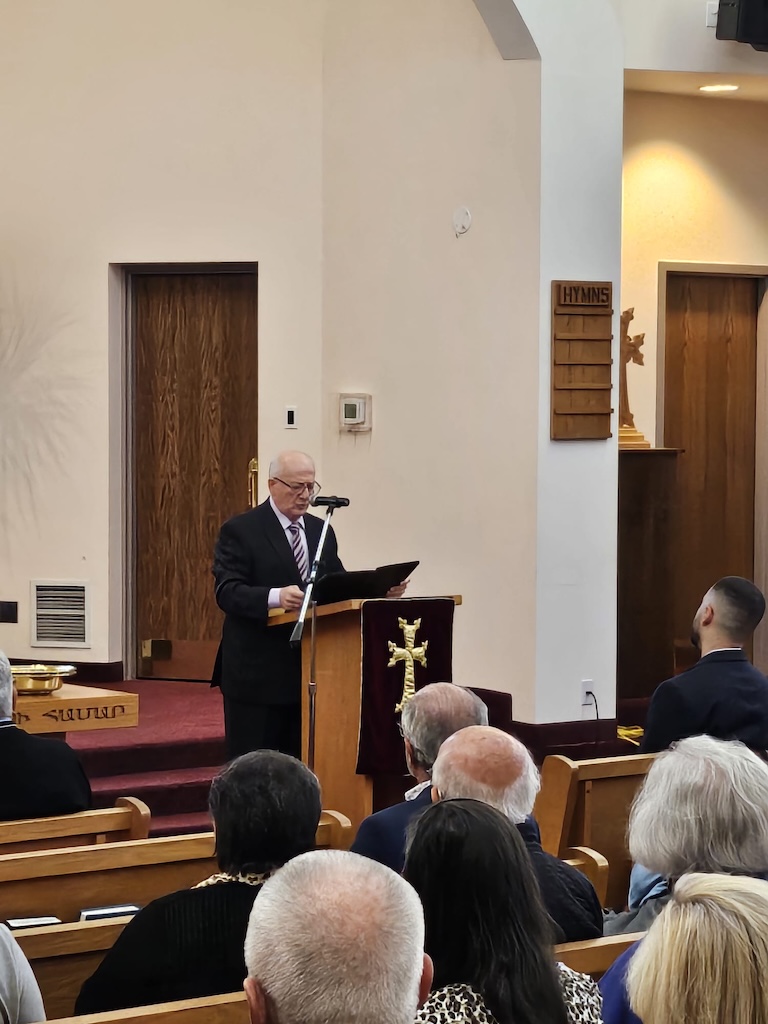
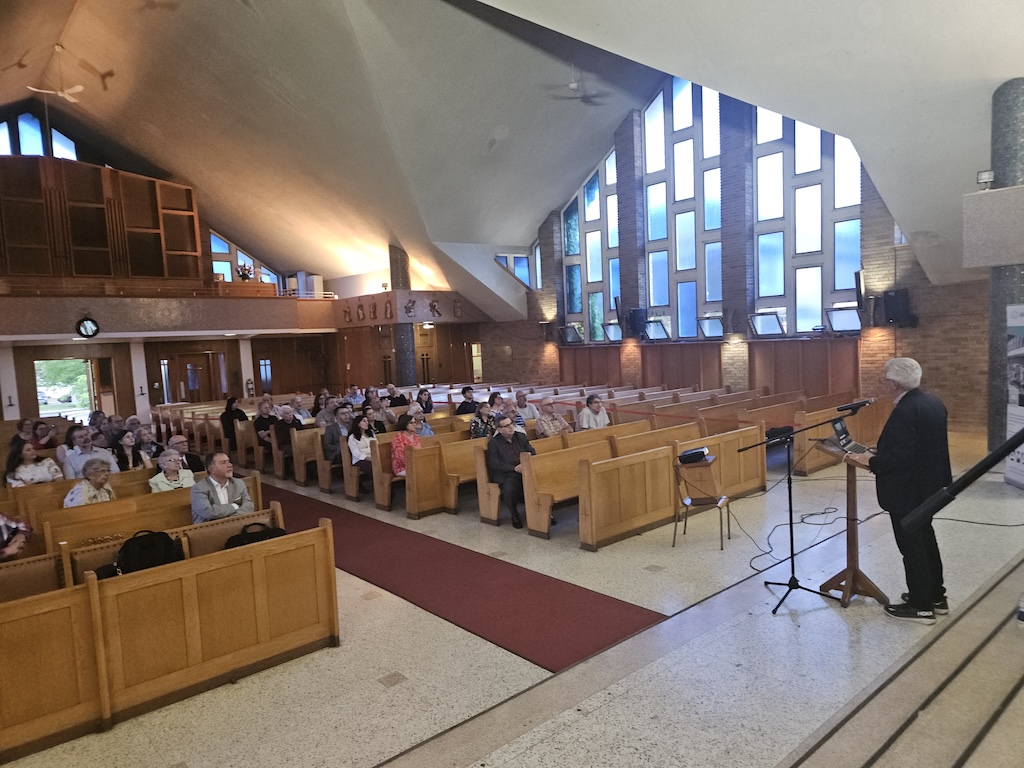
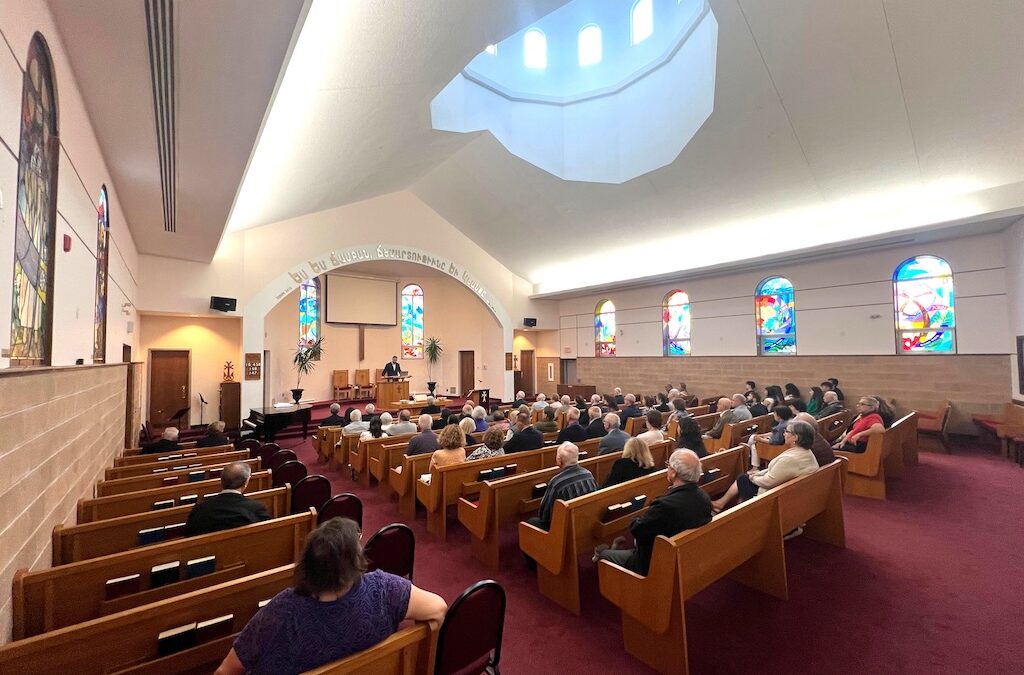
The Toronto event took place on June 13 at the Armenian Evangelical Church of Toronto. Mr. Remy Guirguis, an AMAC Board Member, delivered eloquent opening remarks in both English and Armenian. He highlighted the noble vision of AMAC’s founding members, a vision that has carried forward through four decades of impactful educational, social service, childcare, and evangelistic ministries in 24 countries in partnership with the AMAA.
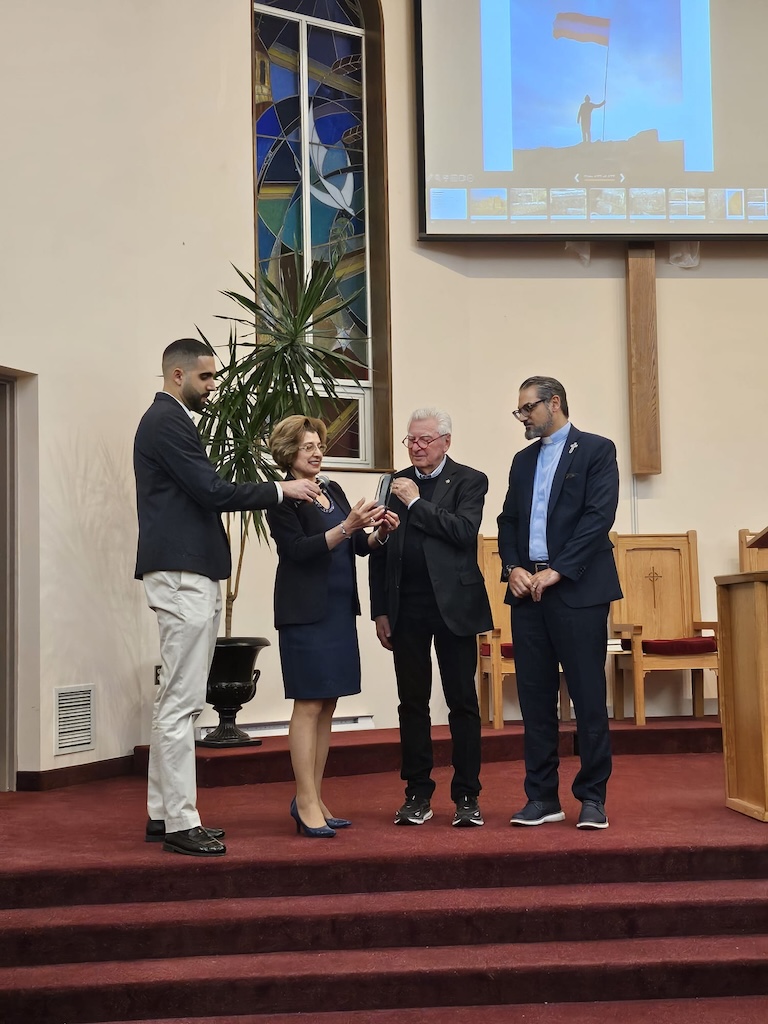
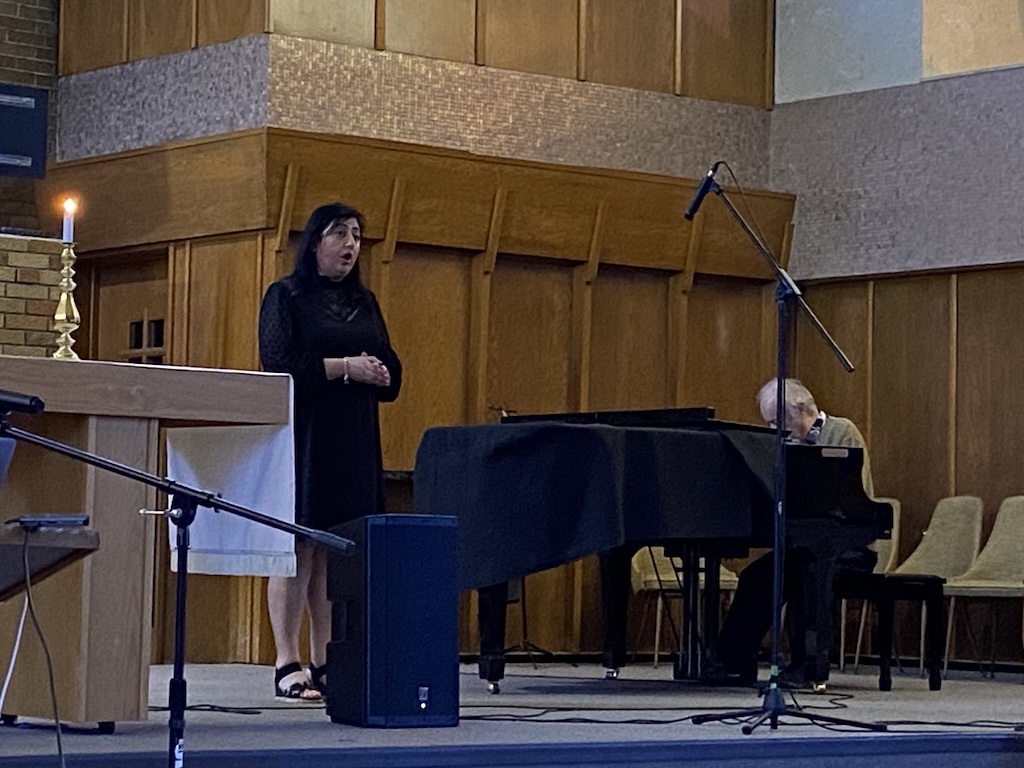
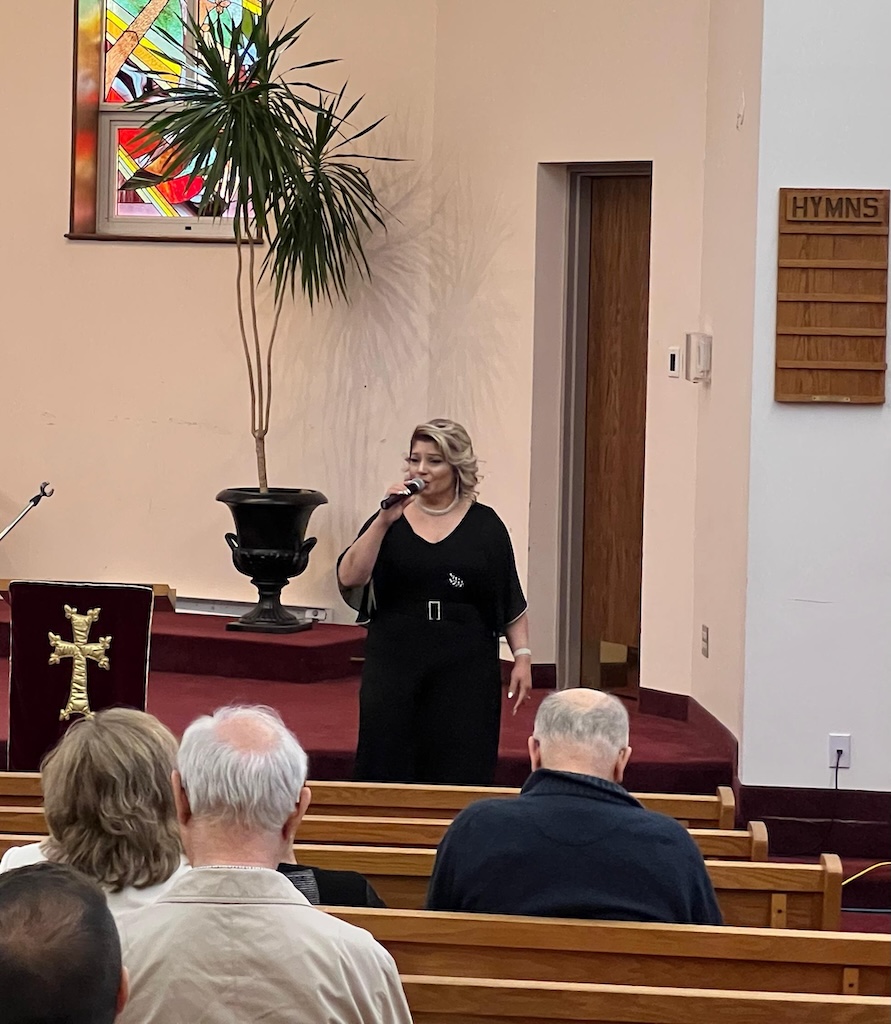
The program included two musical performances: Mr. Levon Kalemkerian sang the Armenian song «Բարի Առաքել» (“Pari Arakel”), and Mrs. Aline Buchakjian performed «Իմ Անի» (“Im Ani”), a tribute to the ancient Armenian capital Ani—once home to over a thousand churches.
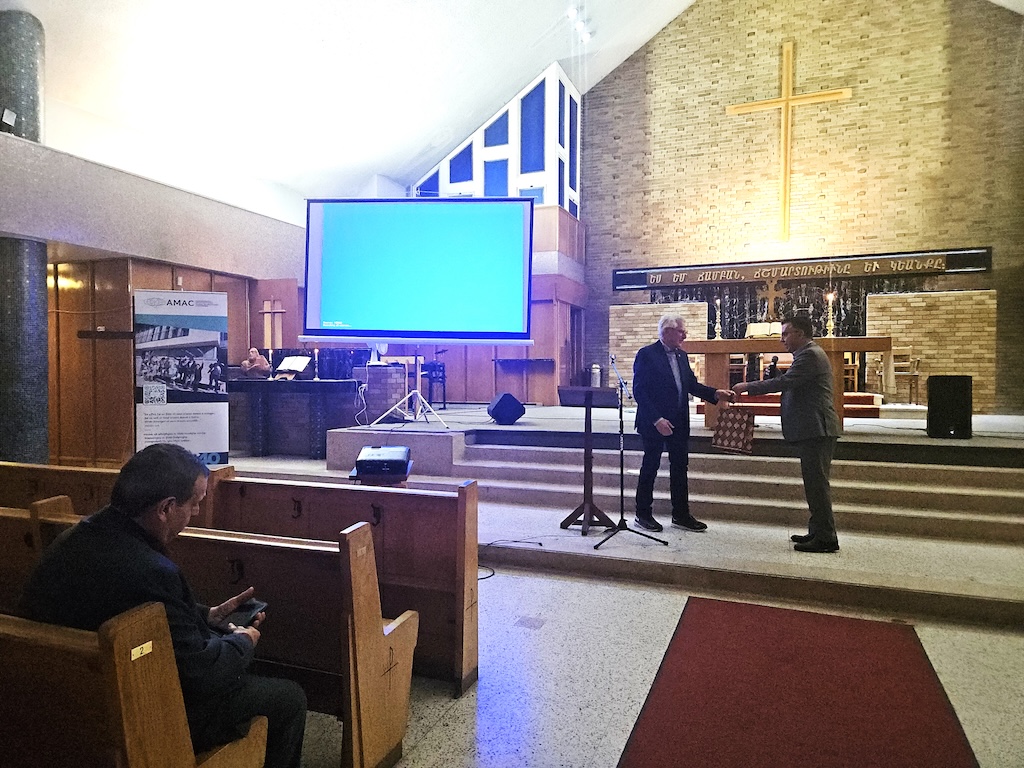
Pastor Zohrab Sarkissian offered closing remarks, thanking all who contributed to the success of the event. Rev. Fr. Hayari Tanashian, of the Armenian Holy Trinity Church, closed with prayer.
Montreal Event
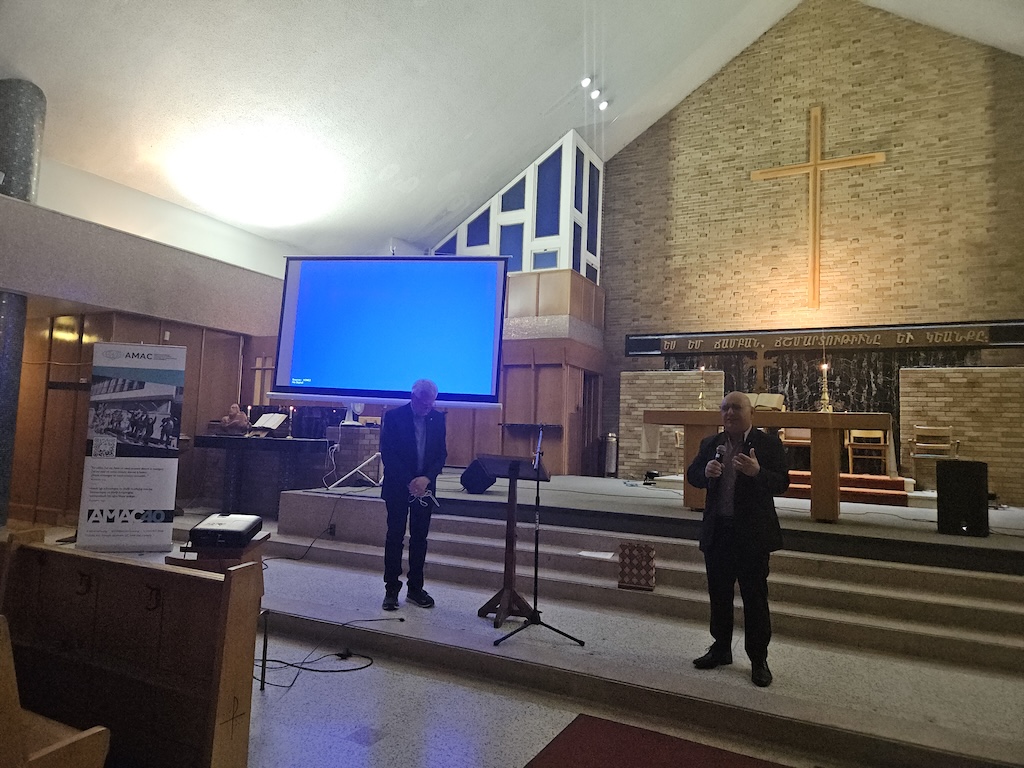
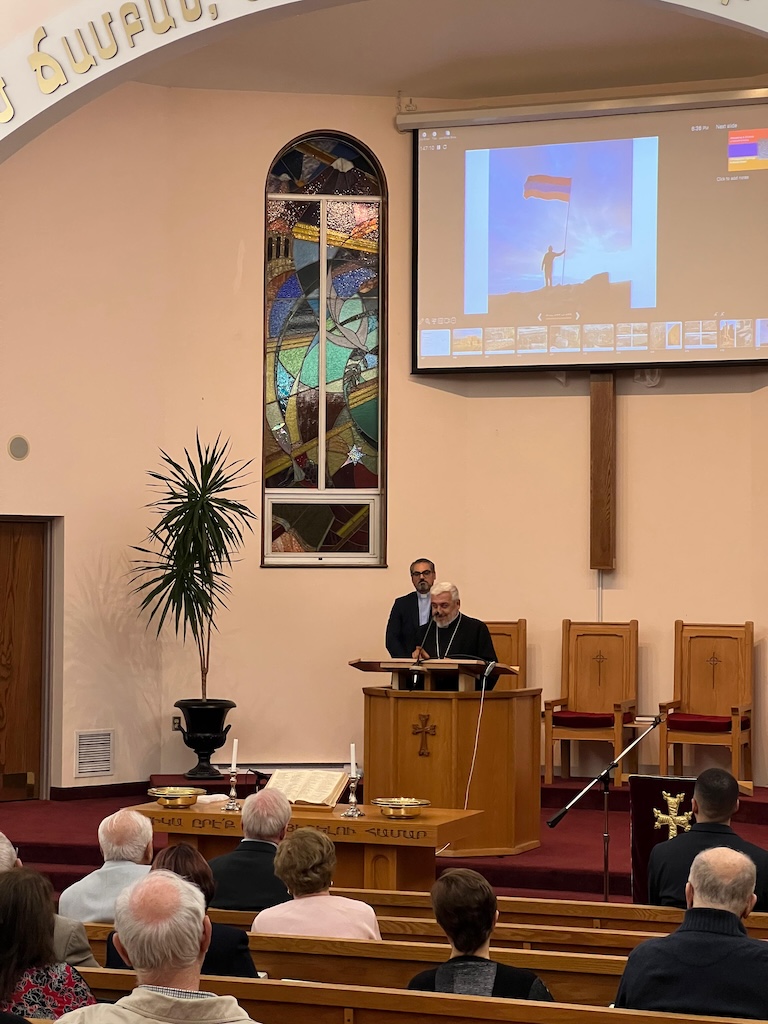
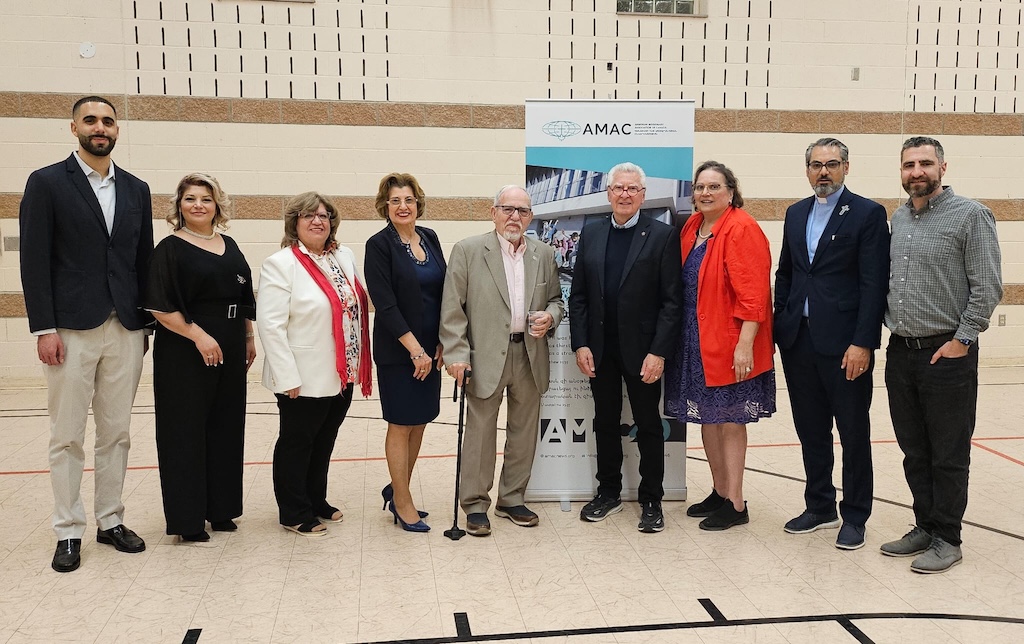
The Montreal event took place on June 14 at the Armenian Evangelical Church of Montreal (in Laval). Mr. Raffi Shnorhokian, President of AMAC, welcomed guests, followed by an opening prayer from Rev. Mardiros Eglencian, pastor of the host church.
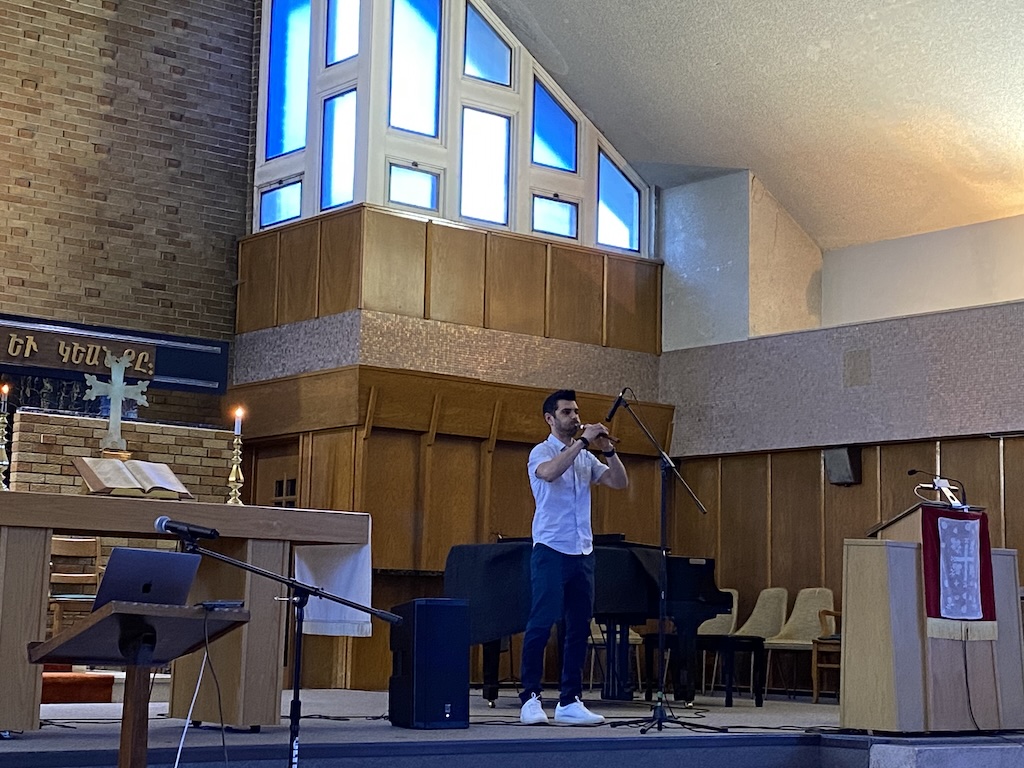
The event was emceed by Harout Nercessian, AMAA Representative in Canada and Global Field Director. He introduced the evening’s musical program, which beautifully prepared the audience for the lecture. Mr. Antranig Poshoghlian performed Komitas’ «Չինար ես» (“Chinar es”) on the traditional Armenian duduk. Ms. Laura Mekhakian Berberian offered moving renditions of «Տէր Ողորմեա» (“Ter Voghormya”) and «Երեբունի-Երեւան» (“Yerepouni-Yerevan”), accompanied by Mr. Paul Nercessian on piano.
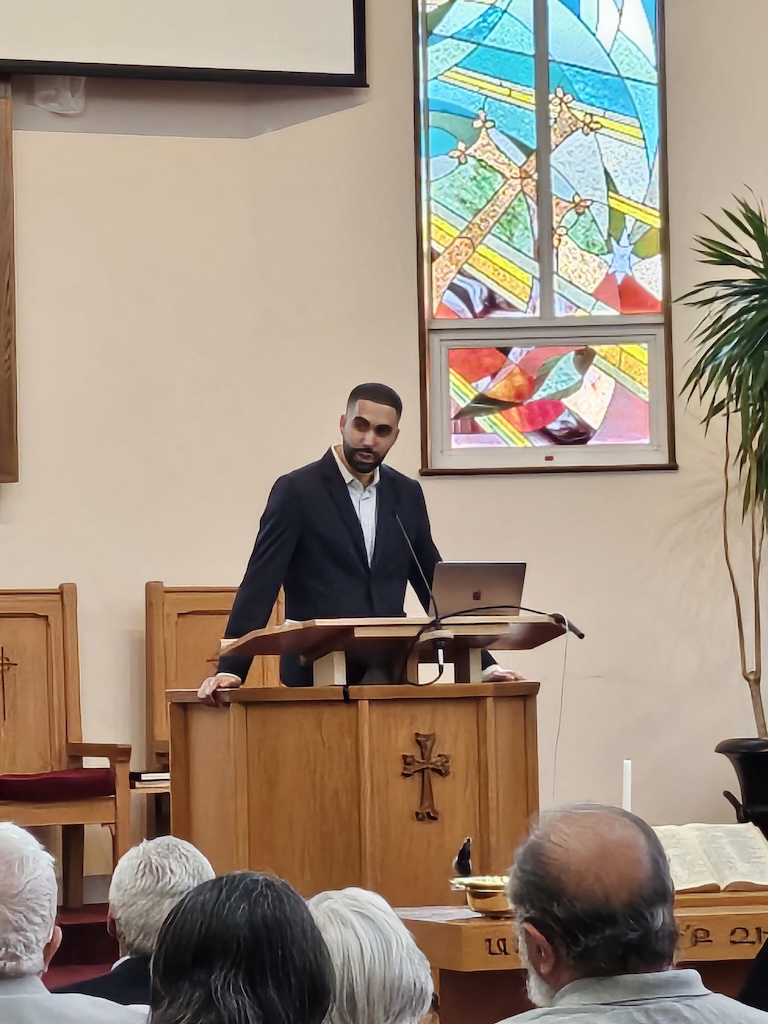
Mr. Nercessian then introduced Mr. Altoon, briefly emphasizing the significance of the evening’s topic. The event concluded with a closing prayer by Rev. Georges Dabbo, Pastor of the First Armenian Evangelical Church of Montreal.
A Journey into Armenia’s Sacred Stone
In both cities, Mr. Altoon shared a personal account of his third-generation Armenian-American heritage and took the audience on a historical pilgrimage through Armenia’s ancient spiritual landmarks. With passion and precision, he explored the soul of a people carved into stone—monasteries, chapels, and churches that have not only weathered the elements but also withstood centuries of upheaval, invasions, and migrations. These sacred structures continue to stand as enduring testaments to the Armenian Christian faith and indomitable spirit.
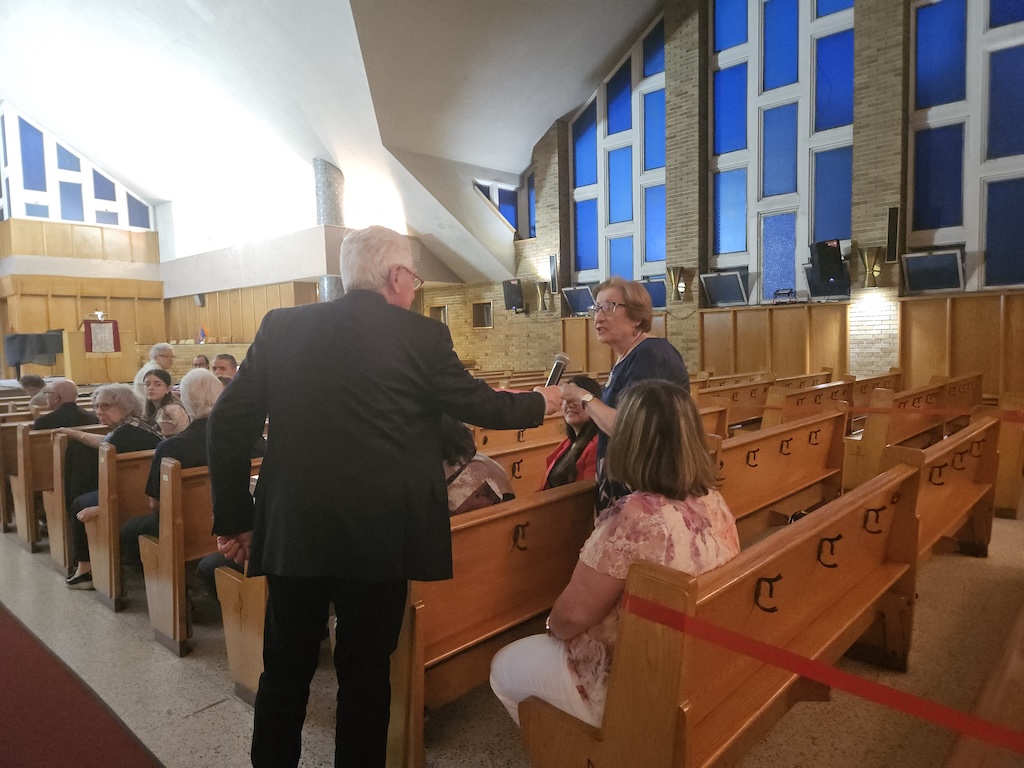
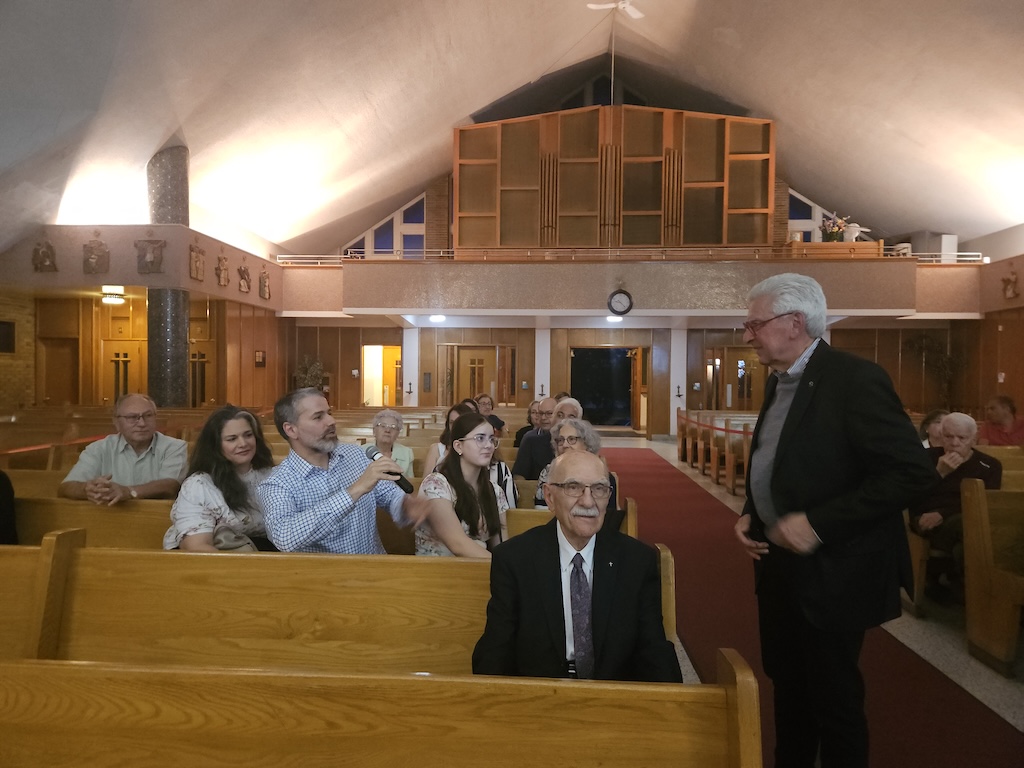
Each lecture concluded with a dynamic Q&A session, where Mr. Altoon thoughtfully responded to questions and engaged with the audience in greater detail.
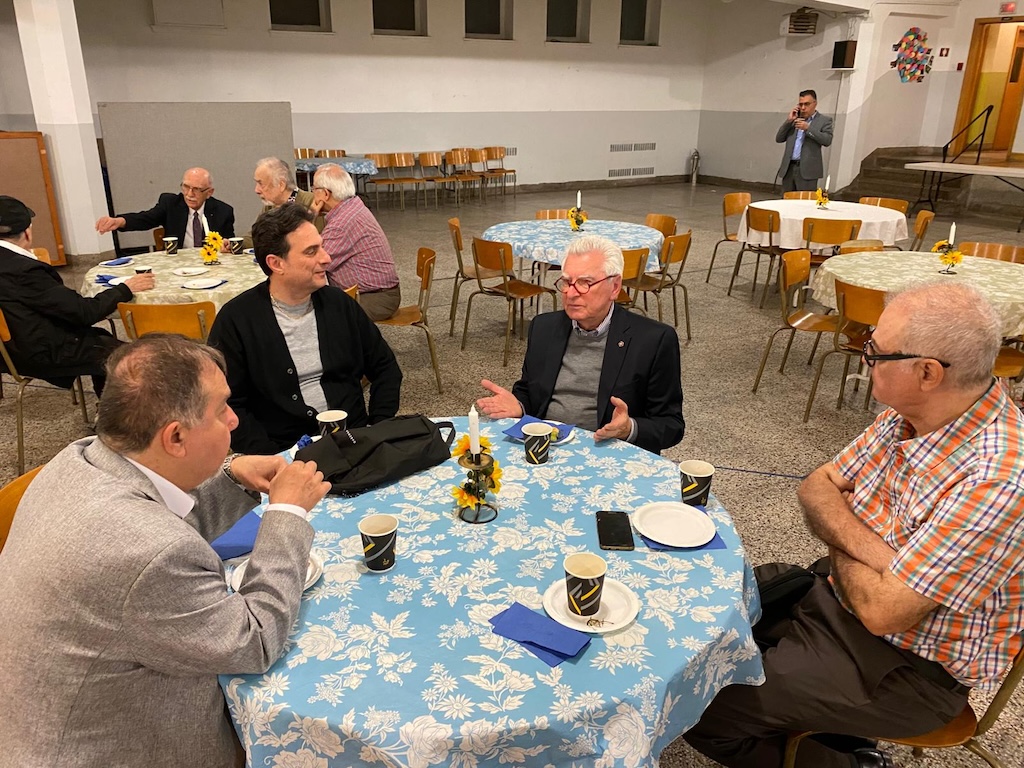
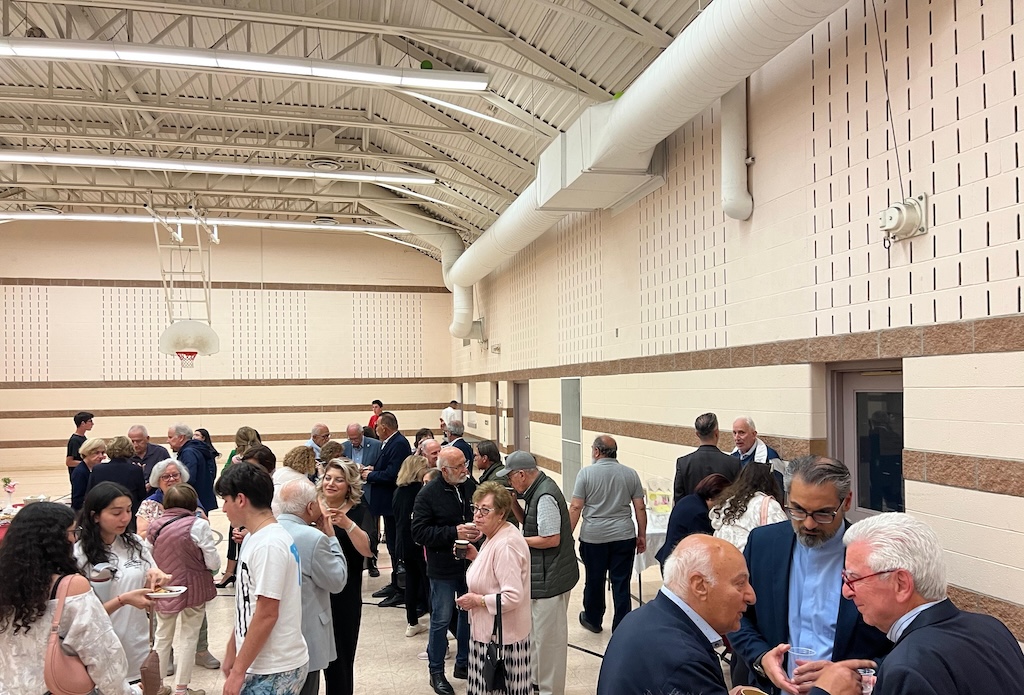
Following the lectures, attendees were invited to receptions where they had the opportunity to interact personally with Mr. Altoon and further reflect on the profound significance of Armenian church architecture.
The AMAC expresses its deep gratitude to the organizing committees in both cities for their dedication and hard work. A heartfelt thank you also goes to Mr. Ronald Altoon for taking time from his demanding schedule to bring attention to this rich and often underappreciated aspect of Armenian cultural heritage.